How Much Is a Junk Car Typically Worth?

If you’ve ever had an old vehicle sitting in your driveway, maybe one that barely starts or is missing half its bumper, you’ve probably wondered what it’s actually worth. Most people are surprised to learn that even a total junker still has some real value. The amount you can get depends on a few key things, from the type of car to the current price of scrap metal. For people looking to sell an old vehicle in Colorado, services like cash for cars in Denver make the process easy, but it still helps to understand how those numbers are calculated.

The Basics of Junk Car Value

At its core, the value of a junk car comes down to two main factors: usable parts and scrap metal weight. Even a car that doesn’t run might have components that can be resold or reused. Things like catalytic converters, transmissions, or even working alternators can be valuable on their own.

Then there’s the raw material value. Cars are mostly made of steel, aluminum, and other metals. These are melted down and recycled, which gives junk cars a baseline value tied to the market price of scrap. When metal prices go up, junk cars are worth more. When they fall, your car’s offer might not look as good.

Junk Car

Typical Price Ranges

Most junk cars are worth between $100 and $1,000, though certain models or conditions can push that higher.

Here’s a general breakdown:

  • Compact cars: $100–$400

  • Sedans: $300–$700

  • SUVs or trucks: $500–$1,000

  • Heavier vehicles (vans, large pickups): up to $1,500 in some cases

If your vehicle has valuable parts or still runs, you could get more. But if it’s just a rusted frame with missing components, you’ll be closer to the low end.

Factors That Affect What You’ll Get

Several things can raise or lower your payout.

  1. Weight and size: Heavier vehicles contain more scrap metal, which means higher offers.

  2. Make and model: Some cars are in high demand for used parts, especially Toyotas, Hondas, and certain American trucks.

  3. Condition: A car that runs, even barely, is often worth more than one that needs to be towed.

  4. Current scrap prices: These fluctuate monthly based on global demand.

  5. Location: Urban areas with nearby scrapyards often pay better because towing costs are lower.

  6. Missing parts: If your car is missing the catalytic converter, battery, or wheels, expect less money.

Each junk buyer calculates offers differently, but they all use some version of these same variables.

Catalytic Converters and Other Key Parts

One of the most valuable single parts in a junk car is the catalytic converter. It contains small amounts of precious metals like platinum, palladium, and rhodium. Even from an otherwise worthless car, that one part can bring in hundreds of dollars if it’s intact.

Other valuable parts include:

  • Alloy wheels

  • Batteries (especially newer ones)

  • Aluminum engines or transmissions

  • Hybrid or EV components

If you’re handy with tools and can remove and sell parts yourself, you might make more. But for most people, it’s simpler and safer to sell the entire vehicle as-is.

The Role of Metal Prices

Scrap metal prices play a huge role in determining what your car is worth. The two main metals that matter most are steel and aluminum.

Steel is the bulk of most cars, and prices can swing anywhere from $100 to $300 per ton. Aluminum, found in parts like wheels and engine blocks, is worth more per pound but makes up less of the total car.

When the economy slows down, scrap prices usually fall because manufacturers buy less raw material. On the other hand, when construction and manufacturing are booming, junk car offers rise. That’s why some sellers check metal market updates before getting quotes.

Should You Tow or Sell for Parts Yourself?

You can make slightly more money by selling parts individually, but it takes a lot of time and effort. You’d need to know what each part is worth, where to sell it, and how to remove it safely.

Selling the car whole to a junk buyer is faster and more convenient. Many companies include free towing and handle the paperwork, which saves you a headache. Unless you’re comfortable with automotive work, the small bump in value rarely offsets the effort of parting it out yourself.

How Age and Brand Impact Value

The older a car is, the less likely it’ll have reusable components. Most junkyards prefer vehicles from the last two decades because their parts are still in circulation.

Certain brands also hold value better due to popularity. For example, a 2008 Toyota Corolla might be worth more than a 2010 luxury car because there’s consistent demand for Corolla parts.

Brands that typically hold up well in the junk market include:

  • Toyota

  • Honda

  • Ford

  • Chevrolet

  • Dodge

These cars are common, reliable, and have lots of interchangeable components, which keeps demand steady.

How to Get the Best Offer

Getting multiple quotes is the simplest way to make sure you’re not underselling. Each junk buyer has its own formula for determining value, so one might offer you $300 while another goes up to $500 for the same vehicle.

A few tips to boost your offer:

  • Be honest about condition. Hiding damage or missing parts usually backfires.

  • Have your title ready. You’ll get more with proper ownership paperwork.

  • Compare local buyers. Companies nearby often pay better because of reduced transport costs.

  • Call on weekdays. Prices can change, and some buyers pay more early in the week when they’re scheduling pickups.

When a Car Is Worth Fixing Instead

Sometimes a vehicle feels like junk, but the math says otherwise. If repairs cost less than half of what the car could sell for running, it might be smarter to fix it first. For example, if your car’s value is $3,000 in working condition but $500 as scrap, spending $1,000–$1,200 on a repair could be worth it.

However, if the frame is rusted, it doesn’t pass inspection, or it needs a new engine, it’s almost always better to sell for scrap and move on.

Legal and Environmental Benefits

Recycling your junk car isn’t just about the money. Auto recyclers help reduce landfill waste, recover metals for reuse, and safely dispose of hazardous fluids like oil and coolant. Roughly 80% of a junked vehicle can be recycled, from tires and glass to steel and copper wiring.

Selling your car to a reputable buyer ensures it’s handled responsibly and not just dumped in a lot somewhere. It’s an easy way to clear space, earn cash, and help the environment at the same time.

Final Thoughts

A junk car might not seem like much, but it still carries surprising value. On average, most people can expect between a few hundred and a thousand dollars depending on the car’s weight, condition, and current metal prices.

The best thing you can do is get several offers, check that your paperwork is ready, and work with a reputable buyer. That way, you’ll get a fair price without any extra stress. Whether it’s a broken-down sedan, an old pickup, or a rusted minivan, turning that junk car into cash is usually a smart move.

Even if it’s just enough to cover a few bills or put toward your next ride, it’s better than letting it sit and rot. Sometimes, clearing space in your driveway feels just as rewarding as the money itself.

How Dents Are Repaired in Cars?

Nothing pulls your eye like a dent on your car’s surface. Whether it’s a rogue shopping cart or a careless driver in a parking lot, dents are one of the most common types of cosmetic damage vehicles experience. The good news? Most dents can be repaired quickly and affordably, often without needing to repaint the panel. Understanding how dents are fixed can help car owners decide what kind of repair makes sense, and what’s just marketing fluff.

If you’re searching for fast, convenient service, mobile dent repair Denver providers offer a solid option that comes to your driveway or office parking lot, sometimes completing the job in under an hour.

Dents Auto

The Main Types of Dent Repair

Before any repairs begin, technicians evaluate the dent. They look at the size, location, depth, and whether the paint is cracked or scratched. This determines the best approach for repair.

There are generally two categories:

  • Paintless Dent Repair (PDR)

  • Traditional Body Repair

Each method works best under different conditions. Some small dents might look easy to fix, but depending on the panel’s curves or paint condition, they can be surprisingly stubborn.

Paintless Dent Repair (PDR)

PDR is a modern technique that has changed the industry. If the paint hasn’t been damaged, this method is almost always the preferred option. It involves reshaping the metal from behind the panel, working the dent out slowly and methodically.

Technicians use specialized tools, like rods, tabs, and glue pullers, to gently massage the metal back into place. No sanding. No fillers. No paint. It’s clean, efficient, and it preserves the factory finish.

Some common tools used in PDR include:

  • Long-handled rods for accessing dents from behind panels

  • Glue pulling systems when access behind the panel is blocked

  • LED light boards to highlight even the most subtle distortions

The results can be amazing. Done right, you’ll never know there was a dent there in the first place.

When PDR Isn’t Enough

If the paint is chipped, the metal is sharply creased, or the dent is near an edge or seam, PDR may not be enough. That’s when traditional body repair becomes necessary.

This process is more involved. First, the technician sands down the damaged area, fills it with body filler, and shapes it to match the original contour. Then they prime and paint it, often blending into surrounding panels to get a seamless look.

This kind of repair usually takes longer, especially if the car needs to spend time in a paint booth. It also costs more. But for certain types of damage, it’s the only way to truly restore the car’s appearance.

Heat and Cold Techniques

There’s a lot of talk online about using hot water or hair dryers to pop dents out of bumpers. These methods can sometimes work on plastic panels, like those found on bumpers, but they won’t do much for steel or aluminum surfaces.

Some mobile technicians will use heat guns or dry ice to assist in reshaping metal, but this is usually part of a broader repair process, not a DIY solution. Overheating the paint can damage it, so professionals approach this method with caution.

Do-It-Yourself Dent Repair

It’s tempting to try fixing a dent at home, especially with all the gadgets sold online. But most DIY kits oversell and underdeliver. Glue pullers, for example, can sometimes improve the appearance of a dent, but they rarely restore the original shape completely. And overzealous attempts can actually stretch the metal or crack the paint, turning a simple fix into a major headache.

Unless you’re dealing with a very shallow dent on a flexible panel, you’re usually better off calling in a professional.

Cost and Convenience

Paintless dent repair is typically cheaper than traditional repair. A small ding might cost $75 to $125, while larger or more complex dents can run $200 to $500. Traditional bodywork, on the other hand, might start at $500 and easily climb over $1,000 depending on the damage.

Mobile dent repair adds convenience into the equation. No need to drop the car off or coordinate with your body shop’s schedule. You book a time, and a technician shows up ready to work.

For minor dents, mobile services often finish the job in under two hours. That’s ideal for busy professionals or parents who can’t afford to be without their car all day.

Common Places Dents Occur

Some areas are more prone to dents than others. These include:

  • Door panels from parking lot collisions

  • Rear quarter panels from shopping cart mishaps

  • Hoods or roofs from falling branches or hail

  • Bumpers from low-speed impacts or careless drivers

Knowing this, it’s no surprise that many mobile dent repair pros stay busy year-round, especially during hail season.

How Technicians Access the Dent

PDR involves accessing the back of the dent, which isn’t always straightforward. Here’s how they typically do it:

  • Door dings: Enter through window openings or remove interior trim

  • Hood and trunk dents: Access from underneath the panel

  • Roof dents: Sometimes require headliner removal

  • Bumper dents: May involve removing the bumper entirely

Skilled techs know how to do this without damaging your vehicle’s interior or electronics. It’s a delicate dance, especially with newer cars that have sensors and wiring tucked behind panels.

Repair Quality Depends on Experience

Not all dent repair techs are created equal. PDR is an art as much as it is a trade. Someone who’s rushed or inexperienced can leave subtle waves in the metal, or worse, damage the paint. When done right, the panel looks untouched. But when done poorly, it’ll never look the same again.

When hiring a technician, don’t just look at price. Ask about their experience, look at reviews, and if possible, ask to see before-and-after photos of their past work.

Final Thoughts

Dents might be a frustrating part of car ownership, but they don’t have to be a costly or time-consuming ordeal. Thanks to methods like PDR and mobile repair services, many dings and creases can be erased without ever setting foot in a body shop.

Whether it’s a small door ding or a larger dent from hail, there’s usually a repair option that makes your car look brand new again. The key is choosing the right technique and the right professional for the job.

Unlocking Superior Performance: A Comprehensive Guide to LML Duramax Delete Kits for Optimal Engine Efficiency

Introduction

Maximizing efficiency and performance is the key in heavy-duty diesel engines. Indeed, the LML Duramax engine is invariably a favorite among fans and professionals alike. With this sort of high regard to start from, there are already enormous advantages for a modifiable engine such as this. One rather popular modification is to install an LML Duramax delete kit. In this guide we’ll go through the refinery of what from an interactive perspective, delete kits are, and how they transform your engine’s performance in turn.
What is an LML Duramax?

The LML Duramax is a group of diesel engines developed by General Motors for GMC and Chevrolet trucks built between 2011 and 2016. Famed for its power and toughness, the LML Duramax has found favorites with owners who require high-performance transportation vehicles.

Understanding Delete Kits

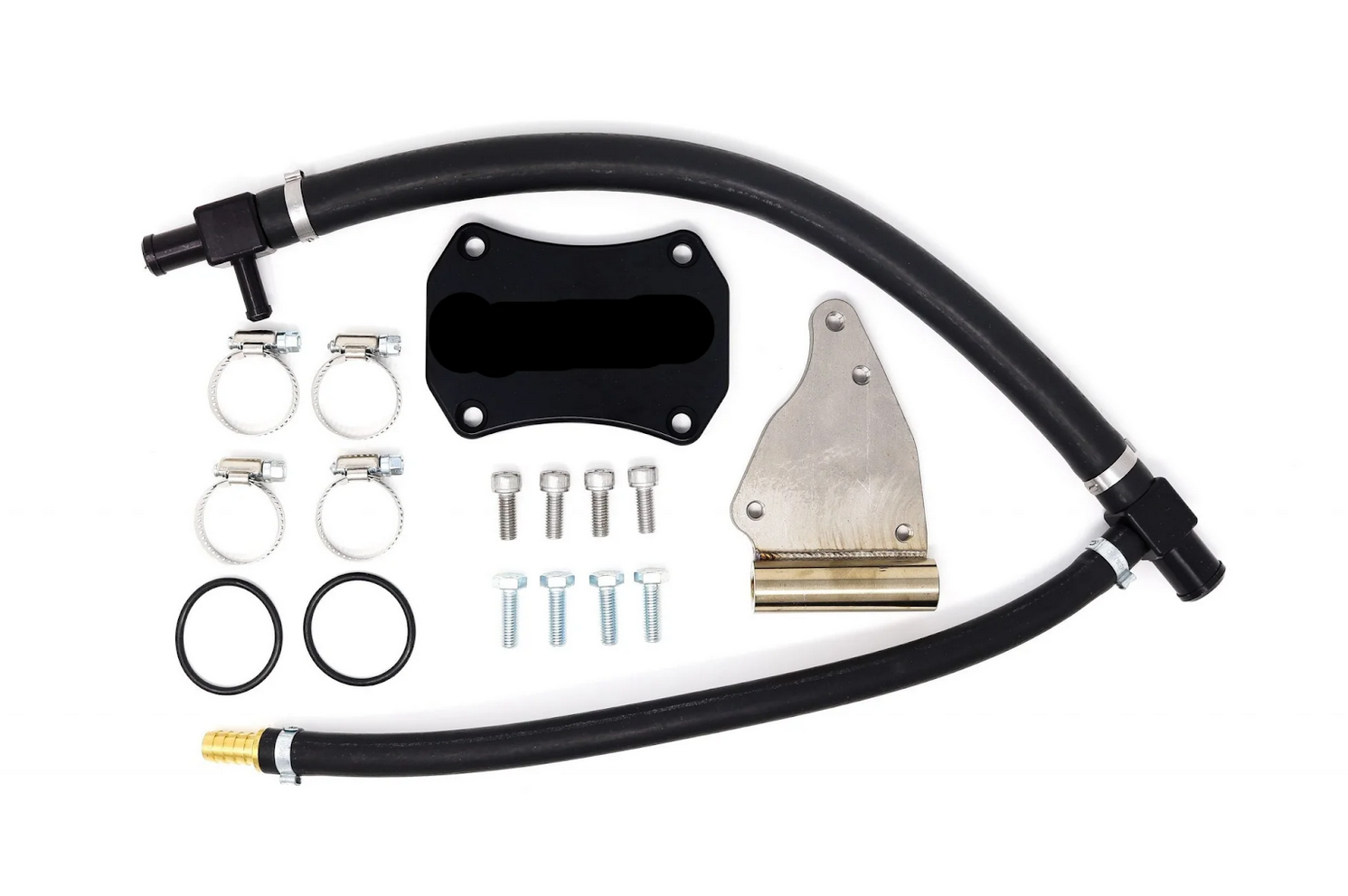
A delete kit refers in general to after-market components that remove or bypass certain parts of the stock equipment, such as the exhaust gas recirculation (EGR) system, diesel particulate filter (DPF) and (sometimes) even the selective catalytic reduction (SCR) system. These are all intended to improve air flow through the engine, reduce maintenance requirements and otherwise get even more “bang for one’s buck” out of performance modifications.

Benefits of Installing an LML Duramax Delete Kit

Enhanced Engine Performance–By eliminating the DPF, SCR and EGR systems, an LML ecodiesel delete kit greatly improves engine efficiency and power output. Discuss in this section how these modifications can lead to increased engine performance.

Extending Engine Life

Discuss how removing unneeded components can reduce engine strain and perhaps lengthen the engine’s life.

Improving Fuel Efficiency

Examine how getting rid of reductive components will indeed result in economy, saving on expensive fuel. This way Dervi, along with everything else he has said so farDto08001 will become more fuel efficient than it was before.

Considerations Before Installing a Delete Kit

Legal and Environmental Implications

It is important to understand the legal and environmental consequences of installing a delete kit. This part introduces emissions regulations and possible legal issues as well as your rights when using delete kits. 

Warranty and Insurance Impact

Install a delete kit, and it could affect your vehicle’s warranty or insurance. This section will tell you everything you need to know for doing so before making any changes. 

Professional Installation vs. DIY

Some choose to have their delete kit installed by pros; others might find a do-it-yourself approach more to their liking. In this respect, we will offer insight into each position and what is involved. 

Step-by-Step Guide to Installing an LML Duramax Delete Kit

Choosing the Right Kit

This part assists the readers to understand how to choose the delete kit they need, including information on which brands might best meet their requirements and what specifications are important. 

Tools and Preparation

List all the tools required for carrying out this task and how to prepare yourself Properly for it. 

Installation Process

Clear, step-by-step installation Recap of u all activities involved in installing a delete kit. 

Maintenance and Troubleshooting

Routine Maintenance Post-Installation

The changes in maintenance routines which come after installing a delete kit will be discussed here, including what new habits owners should adopt.

Common Issues and Solutions

Some questions easily might arise after putting your delete kit into practice; as you use this chapter for resolving those so that troubleshooting becomes less complicated later on. 

Performance Monitoring

How to monitor the performance of your LML Duramax after installing a delete kit, so that it is running perfectly. 

Final Thoughts and Recommendations

Provide concluding remarks about whether installing an LML Duramax delete kit is actually beneficial against the trailing downsides.

By understanding and pondering the tips presented in this full-scale guide, you can now come to a decision on whether an LML Duramax delete kit is right for you. This adaptation can bring out both improved performance and fuel efficiency, converting your car into a stronger yet more fun vehicle.

Tips to Choose a Vintage Wedding Car Rental

You might think that your wedding theme will determine the type of car hire for wedding. Your personal preferences and the number of guests will also play a significant role. When choosing the right wedding car, you should consider the emotional impact. Here are 9 tips to help you make the right choice.

Only for the Couple or More

Vintage cars are perfect for wedding pictures, and the right rental company will be able to help you choose one that is right for your special day. They come in many cool colors and are an attractive choice for your wedding pictures. Vintage cars are also a nice way to make the most of your wedding theme, and they are ideal for couples who want to keep the mood intimate.

Eco Rent A Car has been operating for over 20 years. The company offers a variety of luxury vehicles to suit every style and budget. The company offers a wide range of luxury vehicles and limousines, including the American Chrysler Limousines. The cars are available for rental for the entire wedding day or just the ceremony, and the experience of riding in such a lavish vehicle is sure to make your special day extra special.

Luxe Wedding Car-Hire

When choosing a rental company, it is important to understand the costs involved. Ask questions about hidden charges and make sure you understand what to expect. Special transportation is required for certain cars, which can add thousands to the overall cost. Compare the prices of different companies in order to find the best for your wedding.

Once you have selected the company to handle your wedding, you will need to decide how many vehicles you will require. You may need multiple vehicles depending on the size of your wedding or the facilities at your reception. It is important to reserve at least one vehicle per hour and reserve several extras for practice runs.

What is the Significance

Choosing a vintage wedding car is a unique and special way to begin the celebrations of your wedding. You can customize a classic car to your liking, making it ideal for a wedding. A Rolls Royce Silver Cloud is one example of a classic car, as well as a Lancia Artena and an Excalibur Phaeton. Classic cars have distinctive features such as a chrome car horn, spoked wheels, and white stripe.

It is best to reserve your vintage wedding car rental well in advance. Some vehicles may require special insurance and others are limited in availability. Before making a final decision, you should ask about hidden costs. Transport costs can be thousands for vintage cars.

A search online is the best way to find vintage wedding car rentals. Websites with high rankings tend to be more trusted and popular. In addition, they are likely to provide better quality service. Start your search by selecting the top-ranking sites.

When choosing a vintage wedding car rental, it is best to hire a company with a long history in the industry. For instance, M&V Limousines in New York was founded in 1993 and has been in business for over 15 years. This means that you can expect competitive rates and complete quality control from the company.

While classic cars may not be for everyone, a vintage wedding car is a classic and elegant way to transport your wedding guests in style. You can also choose a classic wedding car that suits your theme and personal style.

Replacement Policy

When selecting a vintage wedding car, it is important to find out about its condition before renting it. To ensure that it is in good condition, check the condition of the mechanical parts, windows, doors, and air-conditioner. You also want to ensure that it is in good condition on the interior and exterior.

Depending on the size of the wedding, you may want to hire more than one car. You might consider buying a policy that covers professional cleaning and valeting if you are renting more than one vehicle. A package that covers multiple vehicles may be worth considering. You should also limit the number of cars you reserve per day to allow you to practice driving them before you buy your car.

Wedding couples are increasingly choosing vintage wedding cars, especially if they plan traditional or classic weddings. These classic cars add to the uniqueness and character of the wedding. It can be difficult to choose the right car for your wedding. Vintage cars are much different from modern cars and require special care.

When choosing a rental car, make sure you understand the terms and conditions of your rental agreement. There are often hidden charges, so ask the company you are using about these. For example, if you want a vintage car that is specific to your wedding, you may need to pay a separate fee for transportation. This can add hundreds or even thousands of dollars to your total bill.

Vehicle Condition

You want to make sure that your vintage wedding car rental is in great condition. You can do this by looking at the vehicle’s body, engine, suspension, lights, windows, doors, and interior. Also, make sure to verify the vehicle’s insurance coverage.

A classic car has a unique look and can be a great way to make a statement in your wedding pictures. It is important to ensure that all mechanical parts work properly and that the vehicle has been maintained. Also, make sure to inspect the condition of the windows, doors, air conditioning system, and air conditioner. Whether the car is white, silver, black, or any other color will depend on the look of your wedding.

When choosing vintage wedding car rental, remember those good vintage cars can be hard to find. Some companies have limited availability, so book well in advance to avoid disappointment. In addition to checking the vehicle’s condition, you should make sure the hiring company is rated by the Better Business Bureau. Visit BBB’s website to learn more. Once you’ve chosen the vintage car you want, make sure to book it well in advance. You don’t want your vintage wedding car to be canceled.

Renting a vintage car for your wedding is a great idea. Make sure you have a good reputation and professional chauffeurs. A vintage car makes a stunning backdrop for wedding photos. A limo may not have the same impact on your photos, but a vintage car allows you to pose in a unique location for your wedding. You can also take pictures from inside the car, which can give you a unique perspective.

Differences Between A School License And A Training Camp License Of Driving | Advantages And Disadvantages Of Each

DIFFERENCES BETWEEN A SCHOOL LICENSE AND A TRAINING CAMP LICENSE OF DRIVING | ADVANTAGES AND DISADVANTAGES OF EACH.

When choosing a driving school, you need to choose between two license acquisition methods: a school license or a training camp license.

Some of you who are wondering whether to have a school license or a training camp license may say, “I know the difference, but I want, to know more!”

Knowing the difference between a school license and a training camp license will help you choose the license acquisition method that suits you best. Need help regarding this from any texas website, then this is your best fit.

This time, we will explain in detail the differences and advantages/disadvantages for those who are uncertain about choosing between a school license and a training camp license.

WHAT IS THE DIFFERENCE BETWEEN A SCHOOL LICENSE AND A TRAINING CAMP LICENSE?

The big difference between a school license and a training camp license is “price” and “training period”.

SCHOOL LICENSE

While a driver’s license takes about 1 to 3 months to obtain a driver’s license while attending a driving school, a training camp license is a method of acquiring a driver’s license while training in a driving school for about 14 days. Generally, in terms of fees, a training camp license is often cheaper than a school license depending on the season.

From here, let’s take a closer look at the advantages and disadvantages of a school license and a training camp license.

ADVANTAGES AND DISADVANTAGES OF SCHOOL LICENSE AND TRAINING CAMP LICENSE

The advantages and disadvantages of each of the school license and training camp license are as follows;

ADVANTAGES AND DISADVANTAGES OF A SCHOOL LICENSE

In some driving schools, you can appoint a skilled training instructor when you make a reservation by yourself. 

In addition, it is also a feature that you can study more slowly than a training camp license, such as being able to study independently for subject measures. 

Also, most of the time for having a school license, you will go to a driving school in your area.

At that time, since the skill training is conducted on the road around the driving school, it is also an advantage that the road conditions in the area where you live can be grasped during the skill training.

It is anxious to drive an unfamiliar land immediately after getting a license, but if you can grasp the road condition to some extent by skill training, you can avoid danger in advance by slowing down in places where people are likely to jump out.

On the other hand, during the busy season of the driving school, it becomes difficult to make reservations for skill training, so the training period tends to be prolonged.

ADVANTAGES AND DISADVANTAGES OF A TRAINING CAMP LICENSE

The advantage of a training camp license is that you can get a license cheaply in a short period of time.

In terms of schedule, if you are limited to an ordinary driver’s license AT, you will be able to complete the subject training and skill training in a period of about 14 days.

It can be said that the tight schedule is a disadvantage for some people, but it is a license acquisition method to efficiently acquire driving skills because you can take skill training in a short period of time.

Also, the biggest merit is that you can get a driver’s license cheaper depending on the time of year compared to a school license.

There may be a huge difference in the price of a school license and a training camp license.

In this way, a training camp license is a license acquisition method that has many advantages in terms of price and efficiency.

On the other hand, while you can graduate in a short period of time with a training camp license, there are cases where it is difficult for some people to take a vacation of about two weeks for those who go to school or work, which is a disadvantage.

THERE IS A BIG DIFFERENCE BETWEEN THE SCHOOL LICENSE AND THE TRAINING CAMP LICENSE IN TERMS OF FEES AND SPEED OF TRAINING!

We have discussed the differences between school licenses and training camp licenses and their advantages and disadvantages.

When comparing a school license and a training camp license, the big difference is the “fee” and “duration”.

For those who want to go at their own pace and want to study the department carefully, it is recommended to take the time to get a driver’s license, but “I want to get a license at the lowest possible price” and “Short term” Those who want to graduate efficiently in between are better suited to a training camp license.

Choose a school license or a training camp license in light of your current situation, such as price, training period, days off from school or work!