How Chiropractic Care May Support Energy and Vitality in Denver

If you live an active life in Denver — hiking, cycling, skiing, or simply keeping up with demanding work and family schedules — you’re likely familiar with the feeling of running low on energy despite doing everything right. Sleep, hydration, and nutrition all matter, but there’s a less commonly discussed factor that may play a meaningful role in how energized you feel day to day: the efficiency of your nervous system. Denver chiropractic care is increasingly understood not just as a treatment for back pain, but as a way to support the neurological and musculoskeletal foundations that energy levels depend on. Here’s what the emerging research suggests.

The Nervous System Connection

Your body’s energy isn’t just about calories consumed and sleep logged — it’s about how efficiently your nervous system processes and transmits information. When the spine is functioning correctly, the communication pathways between the brain and the body operate with minimal interference. When spinal segments aren’t moving properly, they may create a form of background noise that the brain must constantly work to filter out — a processing burden that consumes energy without producing anything useful.

chiropractic

Research using electroencephalography has documented that chiropractic adjustments can produce measurable changes in brain activity. Studies have observed increases in Theta, Alpha, and Beta frequency bands alongside decreases in Delta power following spinal manipulation — patterns associated with relaxed alertness and more efficient cognitive processing. Researchers have also noted reductions in a specific measure of sensory processing burden, suggesting that adjustments may help the brain engage in sensorimotor integration more efficiently.

For patients, this can translate to a reduction in the mental fog and cognitive fatigue that often accompanies physical tension — a clearer, less effortful experience of daily thinking and focus.

Resetting the Stress Response

Beyond cognitive processing, the body’s baseline energy state is heavily shaped by the balance between its two autonomic nervous system modes: the sympathetic system — fight or flight — and the parasympathetic system — rest and digest. In modern life, chronic stress frequently keeps the sympathetic system overactivated, continuously drawing on energy reserves to maintain a state of high alert even when no genuine threat is present.

Clinical evidence suggests that spinal manipulation may help reset this balance. Research has shown that chiropractic adjustments can reduce levels of salivary amylase, a biomarker for sympathetic nervous system activity. By reducing this overactive stress response, care may help shift the body toward regulation and recovery — a physiological state that conserves energy rather than depleting it. For anyone feeling chronically wired but tired, this mechanism is worth understanding.

Structural Efficiency and the Cost of Compensation

The musculoskeletal system is where the body’s energy gets spent on movement. When the spine and supporting structures are functioning well, movement is mechanically efficient. When they’re not — due to pain, tension, or compensation patterns — even routine physical tasks carry a higher metabolic cost.

Research demonstrates that a single chiropractic adjustment can produce acute increases in maximum voluntary contraction strength, with one study documenting an 18.87 percent mean increase in lower leg muscle strength following manipulation. Importantly, these changes appear to originate in the brain’s motor control centers rather than in the muscle tissue itself, suggesting that the adjustment improves the neural drive to muscles rather than directly changing the muscles. When your body performs daily movements — climbing stairs, carrying groceries, hiking a trail — with better neuromuscular efficiency, you preserve metabolic fuel that would otherwise be consumed compensating for dysfunction.

Chronic pain amplifies this effect. The body treats pain as a stressor, diverting energy toward managing inflammation and guarding injured tissue. Reducing the physical sources of pain reduces this metabolic drain, leaving more available for everything else you’re trying to do.

Oxygen Delivery at Altitude

Denver’s elevation presents a specific challenge that most cities don’t: reduced oxygen availability. At a mile high, efficient oxygen delivery to cells and tissues is more critical than it would be at sea level, and anything that compromises that efficiency has a more pronounced effect on energy and recovery.

Some Denver chiropractic clinics have expanded their services to include Hyperbaric Oxygen Therapy alongside manual care, specifically to address this altitude factor. HBOT increases the amount of oxygen dissolved in the blood and delivered to tissues, which can meaningfully support energy production and recovery — particularly for athletes or anyone engaging in regular physical exertion.

Nutritional status plays a parallel role in oxygen transport. Iron deficiency, for example, directly reduces the blood’s oxygen-carrying capacity, producing fatigue and lethargy that no amount of sleep or chiropractic care can fully compensate for. A holistic approach to energy — one that considers structural function alongside nutrition — addresses both sides of the equation.

As the National Institutes of Health research on musculoskeletal function and fatigue outlines, spinal manipulation also appears to influence the metabolic properties of skeletal muscle, potentially aiding in endurance maintenance and recovery by facilitating more efficient clearance of metabolic waste products. For anyone training or competing at altitude, this combination of effects is relevant.

The Sleep Factor

No intervention for energy — chiropractic or otherwise — operates independently of sleep quality. Restorative sleep is the most fundamental recovery mechanism available, and many people struggling with fatigue are dealing primarily with poor sleep quality rather than insufficient sleep duration.

Emerging data suggests chiropractic care may play a supportive role here. A study monitoring patients over four weeks of care used Fitbit data to document statistically significant improvements in light sleep — a stage essential for physical recovery and waking up feeling refreshed. Participants also reported reduced fatigue scores on standardized health assessments, aligning the objective sleep data with subjective reports of improved energy.

The neurological mechanism may explain why. Research using functional imaging shows that spinal manipulation can deactivate the prefrontal cortex — the area associated with racing thoughts and worry — while activating posterior brain regions involved in emotional regulation. This shift, combined with reductions in anxiety and depression symptoms observed in clinical studies, may create the physiological conditions the brain needs to downshift from hypervigilance into genuine rest.

Integrating Lifestyle for Sustained Energy

Chiropractic care works best as part of a broader approach to energy and vitality rather than as a standalone solution. The research supports integrating manual therapy with specific dietary and lifestyle habits for sustained results.

Complex carbohydrates — whole grains, legumes, vegetables — provide stable blood glucose and prevent the spikes and crashes that produce afternoon fatigue. Lean proteins support neurotransmitter synthesis. B-vitamins serve as essential cofactors in converting food into cellular energy, while magnesium supports proper muscle function and relaxation. For those managing significant stress or training demands, herbal adaptogens like ashwagandha and rhodiola have demonstrated in clinical trials the ability to modulate stress hormones and reduce fatigue.

Meal timing adds another lever. Consuming the majority of daily calories earlier in the day — before 1:00 PM — is associated with better blood glucose control and alignment with the body’s natural activity rhythms. Three structured meals outperform irregular eating patterns for preventing the energy crashes associated with glycemic variability.

The combination of structural care, neurological regulation, altitude-aware oxygen support, and intelligent nutrition creates a more comprehensive foundation for sustained energy than any single intervention can deliver on its own.

Denver’s lifestyle demands a lot from your body. Understanding the neurological and structural contributors to energy — and addressing them proactively — gives you a meaningful advantage in meeting those demands day after day.

How SCLA Reviews Help Students Make Informed Decisions

Choosing an educational institution is a significant decision for students, especially in today’s competitive and global academic environment. With numerous options and multiple factors to consider, students often feel uncertain when selecting a school or program that aligns with their goals. In this context, online reviews, including those from SCLA (School and College Learning Assistance), have become a crucial tool for students to gather peer feedback and real experiences.

Student reviews provide insights into various aspects of an institution that are often not highlighted in official marketing materials. While reviews should not be the sole factor in decision-making, they can be a valuable part of a broader research process that also includes institutional websites, rankings, and direct communication. This article explores how students can use SCLA reviews as one of many resources to make informed educational choices.

Understanding What SCLA Reviews Represent

Students

SCLA reviews are student-generated feedback about academic programs, support services, and campus experiences. These reviews reflect real-life experiences, offering insights into both the strengths and challenges of attending a particular institution. However, it’s important to approach these reviews with a critical eye. Reviews can vary significantly based on personal perspectives, and individual experiences are not universally applicable.

SCLA reviews provide useful information on various aspects, including teaching quality, campus life, and support services. While they can offer valuable perspectives, students should consider them as part of a broader research process, cross-referencing information from multiple sources and conducting direct inquiries with the institution when possible. This balanced approach can help avoid over-relying on any single review.

Real-World Perspectives from Current and Former Students

One of the most notable advantages of SCLA reviews is the ability to access genuine feedback from students who have firsthand experience with an institution. These reviews offer practical insights that promotional materials may not capture. They often highlight both positive aspects, such as strong academic programs or vibrant campus life, as well as potential challenges, such as administrative inefficiencies or housing concerns.

It’s essential to remember that student experiences can vary widely depending on individual expectations, learning styles, and specific program choices. For example, some students might prioritize academic rigor while others may value social engagement. As such, reviews should be viewed as valuable but subjective reflections of personal experiences, which may not fully apply to every student.

Teaching Quality and Academic Support

An essential factor for students when selecting an institution is the quality of teaching and academic support. SCLA reviews often provide detailed insights into teaching methods, faculty engagement, and instructor accessibility. Students may share how professors interact with students, the level of feedback received, and whether the teaching approach matches their learning preferences.

Additionally, reviews frequently address the availability and quality of academic support services, such as tutoring, mentoring, and advising. These services are crucial for academic success and personal development, so knowing whether an institution provides effective support can help students make more informed choices. It’s also worth noting that review reliability tends to improve when multiple students highlight similar experiences, offering a clearer picture of the institution’s strengths and weaknesses in these areas.

Campus Life: Social Engagement and Facilities

Beyond academics, campus life plays a critical role in a student’s overall experience. SCLA reviews offer valuable insights into the social environment, campus culture, and extracurricular opportunities available at an institution. These reviews can highlight the variety of student clubs, events, and networking opportunities that contribute to personal growth and social engagement.

However, it’s important to acknowledge that campus life is often dependent on individual participation. Students who are more involved in extracurricular activities may have a different experience compared to those who are less engaged. Reviews should be considered as part of a larger understanding of the institution’s culture, and students should assess whether the available activities align with their own interests and goals.

Campus facilities, such as libraries, labs, and housing, are frequently discussed in reviews. These aspects can significantly impact a student’s day-to-day experience. SCLA reviews can provide practical information about the quality and accessibility of these facilities, giving students a better understanding of what to expect before making a decision.

Evaluating Educational Institutions: A Balanced Approach

When using SCLA reviews to assess institutions, it’s important to adopt a balanced and realistic approach. Reading reviews from a variety of students and looking for recurring themes can help prospective students get a more accurate sense of what an institution offers. While no institution is perfect, identifying both strengths and weaknesses through reviews can help students align their priorities and expectations with the reality of their chosen program.

Financial Considerations

Financial factors are often a deciding element in selecting an institution. SCLA reviews may provide insights into tuition costs, available scholarships, and financial aid options. Some reviews also mention hidden fees or additional costs, such as textbook expenses or activity fees, which can help students make more informed financial decisions.

It’s crucial for students to consider the long-term financial implications of their choice, including the return on investment (ROI) of their education. Career outcomes, such as earning potential and job placement rates, should also factor into financial decision-making.

The Value of SCLA Reviews for International Students

For international students, the decision-making process is even more complex due to unique challenges, including cultural differences, visa requirements, and geographical distance. SCLA reviews often offer insights into the experiences of international students, such as how well institutions support their cultural and academic adjustments. These reviews may discuss the availability of services such as language support, visa assistance, and integration into the campus community.

It’s important for international students to read reviews that address their specific needs and challenges. While international students’ experiences are diverse, reviews can provide practical advice on adjusting to a new academic environment and navigating the social dynamics of a different country.

Career Preparation and Opportunities

Ultimately, students seek educational experiences that will help them achieve long-term career success. Many SCLA reviews include feedback on how well institutions prepare their students for professional careers, offering insights into internship opportunities, industry partnerships, and career counseling services. Reviews can also highlight the strength of alumni networks, which can play a crucial role in job placement and career development.

However, students should remember that career outcomes are often influenced by individual effort, skill development, and the broader job market. Reviews can provide useful information, but students should also take proactive steps to enhance their own career prospects during their time at the institution.

How to Use Reviews Effectively

To make the most of SCLA reviews, students should take a strategic approach:

  • Read both positive and critical feedback to get a balanced view.

  • Look for recurring themes across multiple reviews rather than focusing on individual opinions.

  • Verify information through official sources, such as institutional websites or direct conversations with current students or alumni.

  • Consider your personal goals and how the institution aligns with your academic, social, and financial priorities.

By using reviews as one part of a broader decision-making process, students can gain valuable insights into their potential educational experience.

Conclusion

Making an informed decision about education is a multifaceted process. SCLA reviews provide valuable, real-world insights into aspects of campus life, teaching quality, student support, and career outcomes. When used responsibly, these reviews can help students set realistic expectations and make choices that align with their academic and personal goals. It’s important to combine reviews with other resources and to remain mindful of individual preferences and priorities throughout the decision-making process.

How Do Fire Watch Guards Help Maintain Occupancy Permits During System Failures?

In the event of system failures, particularly when fire alarms, sprinkler systems, or other fire safety mechanisms are compromised, maintaining an occupancy permit becomes critical. These failures can leave a building vulnerable to fire risks, and without proper safeguards, occupancy may be prohibited. Fire watch guards play a crucial role in ensuring that a building remains compliant with safety standards, thus maintaining its occupancy permit during such failures. This article explores how fire watch guards support these situations, their responsibilities, and how their presence can prevent costly disruptions to business operations.

Understanding the Role of Fire Watch Guards

A fire watch guard is a trained professional responsible for monitoring a building or area for fire hazards, particularly when the fire detection or suppression systems are temporarily out of service. When systems like fire alarms, sprinklers, or smoke detectors malfunction, fire watch guards step in to provide the necessary vigilance to ensure the building remains safe.

Role of Fire Watch Guards

They are essential to preventing potential fire outbreaks by proactively identifying fire risks, reporting hazards, and ensuring fire safety protocols are followed until the system is restored. The presence of fire watch guards is not only a precautionary measure but also often required to retain occupancy permits during system failures.

Fire Watch Guards and Occupancy Permits

Occupancy permits are essential for buildings to legally host occupants, be it for commercial, residential, or industrial purposes. These permits are issued in accordance with local fire and safety regulations. If the fire safety systems malfunction, the building may be deemed unsafe, potentially resulting in the loss of the occupancy permit until the issue is resolved.

Fire watch guards help maintain the occupancy permit by ensuring that safety protocols are actively followed while the fire detection and suppression systems are down. By monitoring the building and taking proactive measures, fire watch guards mitigate the risks of system failure. Their presence reassures authorities and building owners that the space remains safe for occupancy despite the temporary breakdown of essential fire safety systems.

Responsibilities of Fire Watch Guards During System Failures

The duties of fire watch guards extend beyond simply standing watch. These trained professionals are responsible for carrying out a series of tasks to maintain the safety of the building and ensure compliance with regulations during system failures.

1. Monitoring for Potential Fire Hazards

Fire watch guards are trained to identify potential fire hazards in areas where fire protection systems are inactive. They carefully check for signs of fire, smoke, or unusual heat sources, especially in high-risk areas like kitchens, electrical rooms, and storage areas.

2. Maintaining a Continuous Watch

The primary responsibility of fire watch guards is to keep a continuous watch over the premises. They ensure that there is always someone on-site, 24/7 if needed, to monitor for any signs of fire. This level of vigilance is particularly important in the case of system failures when there is no automatic detection of smoke or fire.

3. Reporting and Responding to Emergencies

If a fire or hazard is detected, fire watch guards are trained to respond immediately by notifying the fire department, alerting building occupants, and taking steps to contain the fire, if safe to do so. In the absence of a working fire suppression system, having someone on-site who knows how to respond can make all the difference in preventing a disaster.

4. Documenting Activities and Conditions

Fire watch guards are responsible for keeping detailed logs of their activities, including the areas they’ve inspected, the observations they’ve made, and any actions taken. This documentation serves as an important record for compliance with fire safety regulations and is often required for maintaining occupancy permits during system failures.

5. Verifying Safety Measures

Beyond monitoring for fires, fire watch guards also verify that all safety protocols are being followed when the fire protection system is offline. For example, they may ensure that fire extinguishers are easily accessible, emergency exits are unobstructed, and there are no unsafe behaviors within the building.

Legal and Regulatory Considerations

Many local building codes and fire safety regulations require fire watch guards to be present during system failures. These laws are in place to protect both building occupants and the structure. Failing to comply with these regulations can result in significant fines, the suspension of the building’s occupancy permit, or, in extreme cases, the evacuation of the building until safety systems are restored.

Additionally, fire watch guards must be certified and trained in the proper procedures for identifying hazards, responding to fires, and using fire safety equipment. This ensures their presence provides the intended protection and meets both legal and regulatory requirements.

The Importance of Fire Watch Guards in Avoiding Business Interruptions

For business owners, losing an occupancy permit can lead to significant disruptions. Without the ability to legally host employees, customers, or clients, business operations may come to a halt. By employing fire watch guards during system failures, businesses can avoid these disruptions.

Fire watch guards provide an immediate solution, allowing businesses to continue operations safely while awaiting repairs or system restoration. Their presence not only prevents suspension of occupancy permits but also ensures the business can continue operating without compromising the safety of its occupants.

Fire Watch Guards as a Preventive Measure

While fire watch guards are essential during system failures, they can also serve a preventive role. By conducting regular inspections and identifying fire hazards before they escalate, fire watch guards help mitigate the risk of fires. Their vigilance in monitoring the building and ensuring compliance with fire safety protocols can prevent costly accidents, system failures, and property damage.

Cost of Hiring Fire Watch Guards vs. Risks of Non-Compliance

The cost of hiring fire watch guards is a fraction of the potential financial consequences of not maintaining an occupancy permit. Without fire watch guards, a building could face fines, penalties, and even loss of the occupancy permit, which would lead to business closure and loss of revenue. The cost of a fire watch service is an investment in safety, compliance, and peace of mind.

Is It Worth the Investment?

Given the potential consequences, investing in fire watch guards during system failures is an effective way to maintain occupancy permits and protect the property. Not only does it ensure that fire safety regulations are met, but it also prevents business downtime, reputational damage, and other legal complications.

Conclusion

Fire watch guards play a critical role in maintaining occupancy permits during system failures. By monitoring fire hazards, responding to emergencies, and ensuring compliance with safety protocols, fire watch guards provide a valuable service that allows businesses to remain operational even when fire safety systems are temporarily offline. Their presence can make the difference between regulatory compliance and costly interruptions to business activities.

In an environment where fire safety is paramount, having trained professionals serve as fire watch guards is a smart and necessary step for business owners, building managers, and organizations seeking to protect their occupancy permits and properties.

FAQs

1. How long do fire watch guards need to be on duty during system failures?

Fire watch guards are typically required to remain on duty until the fire safety system is fully operational. This could be anywhere from a few hours to several days, depending on the scope of the failure and the repair process.

2. Are fire watch guards required by law?

Yes, local fire codes and building regulations often require fire watch guards to be on-site when fire protection systems fail. These regulations vary by location, so it’s important to check with local authorities for specific requirements.

3. Can fire watch guards prevent fires from happening?

While fire watch guards can’t prevent fires from occurring entirely, their role is to identify potential hazards, ensure safety measures are in place, and respond quickly to emergencies, significantly reducing the risk of fire damage.

4. How can I hire fire watch guards?

Fire watch guards can be hired through fire safety companies, security firms, or specialized fire watch services. Be sure to hire guards who are trained and certified to meet local regulations.

How AI Is Redefining Speed, Compliance, and Safety in Nationwide Fire Watch Operations

Fire safety isn’t just a checkbox item, it’s a lifesaving necessity. And when systems fail or regulations require it, fire watch services become the last line of defense. But in a world that’s moving faster, with risks becoming more complex and compliance rules getting tighter, traditional fire watch services are struggling to keep up. Enter artificial intelligence.

AI is rapidly transforming how we approach fire safety and monitoring. From improving response times to boosting compliance and enhancing public safety, smart tech is making fire watch more efficient, reliable, and proactive. Companies like The Fast Fire Watch Company are at the forefront of this transformation, leveraging AI to provide nationwide, real-time, and intelligent fire watch operations like never before.

Let’s dive into how AI is turning up the heat, in a good way, on outdated fire watch methods.

Understanding Fire Watch Services

Fire Watch ServicesBefore we get into the AI revolution, let’s first understand what fire watch services actually are.

A fire watch service is a specially trained team or personnel assigned to monitor a building or property for fire hazards when the regular fire protection systems (like sprinklers or alarms) are malfunctioning or undergoing maintenance. In other cases, fire watch might be mandated during hot work like welding or during public events where large crowds increase fire risk.

Industries that typically need fire watch services include construction, manufacturing, hospitality, healthcare, and government buildings. The role is serious, failure to meet compliance can result in fines, shutdowns, or worse, tragedy.

Traditionally, these duties were carried out manually. Guards would patrol premises, record observations in logs, and report hazards. While this approach works, it’s prone to delays, oversights, and human error, especially when spread across large properties or multiple locations.

That’s where AI comes in, not to replace humans, but to empower them.

Traditional Fire Watch Challenges

Let’s be real, fire watch the old-fashioned way is kind of a logistical nightmare.

You’ve got staff who may be overworked, or unfamiliar with fire protocols. Logbooks that are still paper-based. Communication that gets lost in translation. And when an incident actually occurs? Every second wasted can mean the difference between a close call and a catastrophe.

Here are some of the biggest pain points:

  • Delayed Response: Human guards might not spot a hazard fast enough.

  • Inconsistent Coverage: Especially on large or multi-story properties.

  • Poor Documentation: Manual logs can be incomplete or inaccurate.

  • Compliance Gaps: Regulations vary by state, and non-compliance can be costly.

  • Burnout and Fatigue: Round-the-clock coverage isn’t easy to maintain.

Companies like The Fast Fire Watch Company recognized these inefficiencies and started looking for a smarter, scalable solution. That solution is artificial intelligence.

The Role of AI in Modern Fire Watch

AI isn’t just a buzzword, it’s a game changer.

In fire watch services, AI technologies are being used to streamline every aspect of the operation, from surveillance and scheduling to documentation and dispatch. Think of AI as your hyper-vigilant assistant that never sleeps, never gets tired, and processes data faster than any human possibly could.

Some of the core AI technologies at play include:

  • Computer Vision: AI-enabled cameras that detect smoke, fire, or abnormal heat patterns.

  • Natural Language Processing: Automating reporting and communication.

  • Machine Learning: Systems that learn from past incidents to better predict future risks.

  • IoT Sensors: Smart sensors that feed real-time data to monitoring centers.

Together, these tools help fire watch teams act faster, stay compliant, and protect lives and property more effectively.

Speed: How AI Accelerates Fire Watch Operations

Speed saves lives. Period.

With traditional fire watch, response times can vary wildly based on staffing, visibility, and communication delays. But AI cuts through all that noise.

Here’s how:

  • Instant Hazard Detection: AI-powered cameras and sensors can detect smoke or heat the moment it starts to escalate, sometimes even before it’s visible to the human eye.

  • Automated Dispatch: Once a threat is detected, AI can trigger an alert and notify on-site personnel, emergency responders, or even fire departments without delay.

  • Optimized Patrol Routes: AI software can calculate the most efficient routes for guards to cover the property, reducing the risk of missed zones.

For instance, The Fast Fire Watch Company uses intelligent dispatch systems to mobilize guards in real time. Whether it’s a small construction site or a high-rise in the middle of a city, their systems make sure the right person is at the right place at the right time, fast.

When every second matters, AI delivers the speed humans alone can’t match.

Compliance: AI Ensures Adherence to Fire Safety Regulations

Staying compliant with fire safety regulations isn’t optional—it’s legally required and critical to protecting lives. Yet, navigating the ever-changing maze of local, state, and federal fire codes is a challenge for many businesses. Missing a single report, failing to log a patrol properly, or overlooking a minor hazard can result in major fines or shutdowns.

This is where AI-powered systems shine. They’re not just reactive—they’re proactive. With built-in compliance protocols, AI ensures that every part of the fire watch process meets industry standards like those set by OSHA, the NFPA, and local building authorities.

Here’s how AI simplifies compliance:

  • Automated Log Management: Instead of relying on manual logbooks, AI systems automatically document every patrol, hazard report, and response. These logs are time-stamped, location-tagged, and securely stored, making them audit-ready at any moment.

  • Digital Checklists and Alerts: AI creates dynamic, digital checklists for guards to follow. If a required check is missed, the system alerts both the guard and the command center immediately.

  • Real-Time Regulatory Updates: Smart platforms can be updated to reflect new fire codes or changes in local ordinances, ensuring that compliance evolves with the law.

For example, the Fast Fire Watch Company integrates these tools into its nationwide operations. Whether their team is monitoring a hospital in California or a warehouse in Florida, their AI systems automatically adjust for local compliance requirements. That means zero guesswork and fewer risks of regulatory violations.

Ultimately, AI takes the stress out of staying compliant. It acts like a built-in legal advisor, constantly monitoring, guiding, and correcting in real time. You stay ahead of the curve, avoid costly mistakes, and keep your reputation intact.

Safety: Enhancing Worker and Public Safety Through AI Fire Watch Services

Let’s be honest. The core purpose of any fire watch service isn’t just to tick a box for compliance—it’s to keep people safe. Lives are literally on the line, and every improvement in safety procedures matters.

AI brings a massive leap forward in this area. Traditional guards do their best, but they have limitations. They can’t see through walls. They might overlook something in a dark corner. And they’re human—they get tired, distracted, or sick.

AI technology fills these gaps by providing an always-on, highly accurate layer of protection.

Here’s what that looks like in real life:

  • Smart Surveillance Systems: These AI-enabled cameras can detect smoke, sudden temperature spikes, or unusual activity that could lead to a fire. They’re faster than human eyes and operate 24/7 without breaks.

  • Predictive Analytics: By analyzing past fire watch data and environmental factors, AI can predict potential hazards before they become threats. This means fewer surprises and more prevention.

  • Automated Hazard Escalation: When a danger is detected, AI doesn’t just alert a guard. It instantly escalates the issue to supervisors, management, or emergency services, depending on severity. No time is wasted.

The Fast Fire Watch Company uses a combination of thermal imaging cameras, motion detection, and real-time monitoring to keep properties secure. Their AI-enhanced systems continuously scan environments and notify teams the moment something seems off.

This approach doesn’t just protect buildings—it protects people. Whether it’s workers in a high-risk industrial site or guests in a luxury hotel, the layers of safety added by AI drastically reduce the chances of injury or loss.

And when you think about it, isn’t peace of mind the most valuable safety feature of all?

The Fast Fire Watch Company: A Pioneer in AI-Driven Services

Let’s talk about the company that’s leading the charge in modern fire watch services: The Fast Fire Watch Company.

They’ve earned a strong reputation for delivering professional, nationwide fire watch services with unmatched speed and reliability. But what really sets them apart? Their early adoption and deep integration of AI across their operations.

Here’s how they’re standing out:

  • AI-Driven Dispatching: When you request service, their platform uses real-time data, traffic conditions, and resource availability to assign the closest and most qualified guard to your location—often within minutes.

  • Integrated Compliance Tools: Clients get access to digital logs, automated reports, and compliance documentation on demand. It’s seamless and always up to date.

  • Advanced Surveillance Technology: By using AI-powered thermal and motion-detection tools, their monitoring goes beyond human patrols. It’s layered and intelligent.

Customer testimonials show the impact. Property managers rave about faster response times. Construction foremen discuss how hazards were identified and addressed before they escalated. Event organizers appreciate the peace of mind during crowded, high-stress environments.

AI-Powered Scheduling and Dispatch

In fire watch services, timing is everything. When there’s a system failure or a sudden hazard, you need a qualified fire watch team on-site now—not tomorrow.

AI-powered scheduling and dispatch systems are changing how teams respond to urgent fire watch needs. Instead of relying on static schedules and human coordination, these platforms analyze data in real time to make smarter decisions.

Here’s how it works:

  • Instant Assignment: AI evaluates which trained personnel are available, closest to the location, and best suited for the job. Assignments are made in seconds.

  • Live Geo-Tracking: Supervisors and clients can track the fire watch personnel in real time. You know exactly when help is arriving and where they are.

  • Dynamic Routing: AI maps out the fastest route based on current traffic and road conditions, shaving valuable minutes off arrival times.

The Fast Fire Watch Company uses this technology to cover over 50 states with the speed of a local provider. Whether you’re in the heart of New York City or a rural town in Arizona, their AI systems ensure that you’re never left waiting in an emergency.

This kind of automation doesn’t just boost response times—it builds trust. You know the system is working behind the scenes to get help where it’s needed, faster than ever before.

Conclusion

AI is no longer just a futuristic concept; it’s here, actively transforming the way fire watch services operate. By improving response times, ensuring airtight compliance, and enhancing safety across the board, AI is redefining what’s possible in fire prevention and emergency readiness. Companies like The Fast Fire Watch Company are leading this shift, using smart technology to deliver faster, safer, and more reliable protection nationwide. As risks grow and regulations evolve, embracing AI in fire watch isn’t just an upgrade—it’s a necessity.

Fire Watch Planning for Compliance With Local Fire Codes

Fire watch planning plays a critical role in protecting lives, property, and business continuity when standard fire protection systems are impaired or when a site presents elevated fire risks. Local fire codes across the United States require strict adherence to fire safety measures, and failure to comply can lead to penalties, shutdowns, or catastrophic losses. A well-structured fire watch plan ensures compliance while maintaining a safe environment for occupants, workers, and visitors. This article explores how effective fire watch planning supports compliance with local fire codes and why professional fire watch services are essential for high-risk situations.

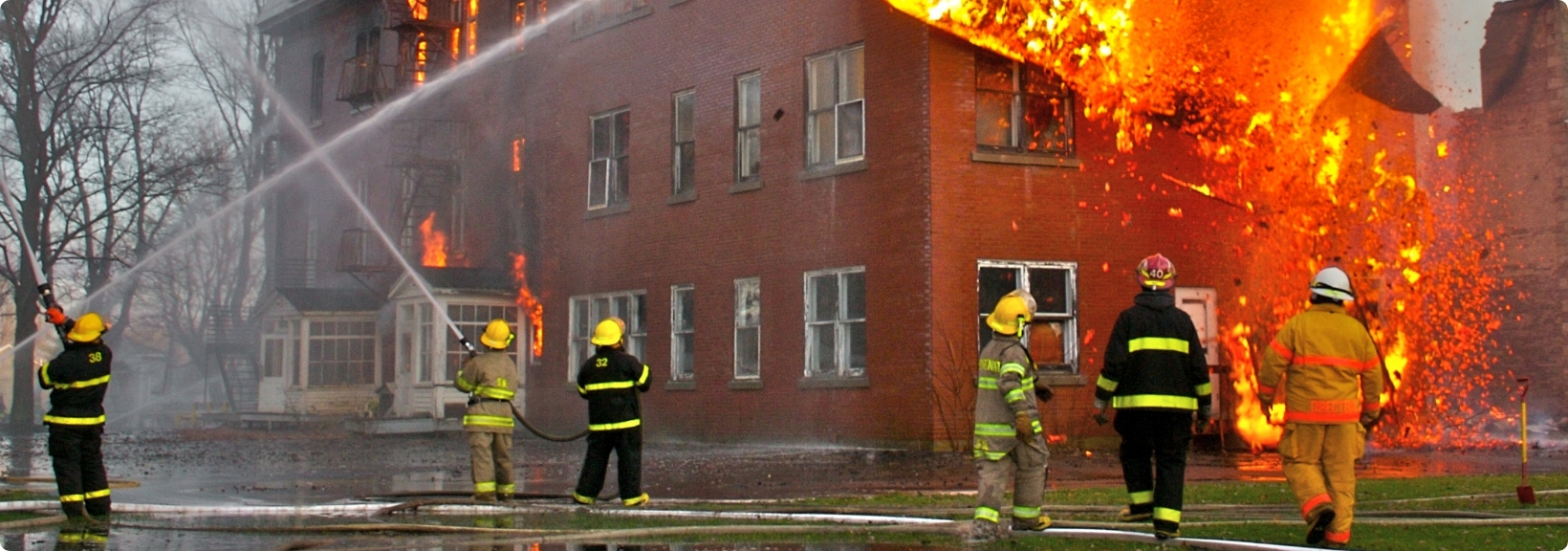
Fire watchUnderstanding Fire Watch Planning and Its Purpose

Fire watch planning refers to the strategic organization of trained personnel, procedures, and documentation to monitor fire hazards continuously. Local fire codes often mandate fire watch coverage when automatic fire protection systems such as sprinklers or alarms are offline, during hot work operations, or at construction and renovation sites. The purpose is straightforward: detect fire risks early, respond immediately, and notify emergency services without delay.

A compliant fire watch plan outlines patrol routes, inspection intervals, communication protocols, and emergency response steps. Fire marshals and authorities having jurisdiction typically review these plans during inspections. Without a documented and properly executed plan, even a short lapse in fire protection can result in violations. Effective planning transforms fire watch from a reactive measure into a proactive safety strategy that aligns with legal requirements.

Why Local Fire Codes Demand Fire Watch Coverage

Local fire codes are designed to address region-specific risks, building types, and occupancy levels. These codes often reference standards such as NFPA guidelines while adding municipal requirements. Fire watch coverage becomes mandatory when conditions increase the likelihood of ignition or delay detection.

For example, if a fire alarm system is down for maintenance, local codes may require a continuous fire watch until functionality is restored. Similarly, buildings undergoing welding, cutting, or roofing work often require fire watch guards due to open flames and sparks. Compliance is not optional; it is enforced through inspections, permits, and citations. Fire watch planning ensures that these requirements are met without disrupting operations.

Key Components of a Compliant Fire Watch Plan

A strong fire watch plan is built on several essential components that collectively satisfy local fire code requirements. Each element must be clearly defined and implemented consistently.

The first component is personnel qualification. Fire watch guards must be trained to identify hazards, use fire extinguishers, and communicate effectively with emergency responders. Documentation of training is often required by inspectors.

The second component is patrol procedures. Guards must conduct regular rounds, focusing on high-risk areas such as electrical rooms, storage spaces, and active work zones. Patrol frequency is typically specified by the authority having jurisdiction.

The third component is reporting and documentation. Logs detailing patrol times, observations, and corrective actions demonstrate compliance. These records serve as proof during audits or inspections and protect property owners from liability.

Fire Watch Planning for Construction and Industrial Sites

Construction and industrial environments present unique challenges due to heavy equipment, flammable materials, and evolving layouts. Local fire codes frequently impose stricter fire watch requirements in these settings. Planning must account for changing hazards and multiple contractors working simultaneously.

A compliant fire watch plan for these sites includes coordination with project managers, safety officers, and local fire departments. Guards must understand site-specific risks and maintain clear access to exits and fire lanes. Regular updates to the plan ensure continued compliance as the project progresses. This level of planning not only satisfies code requirements but also reduces downtime caused by safety violations.

The Role of Professional Fire Watch Guards

Professional fire watch guards bring expertise and reliability to fire watch planning. Trained guards understand local fire codes and know how to implement compliant procedures under pressure. Relying on untrained staff or ad-hoc solutions often leads to oversights that inspectors quickly identify.

Engaging a specialized provider such as The Fast Fire Watch Company – Fire Watch Guards ensures that fire watch coverage aligns with local regulations. This service provides trained personnel, proper documentation, and rapid deployment for emergencies or planned outages. Including a professional service in a fire watch plan strengthens compliance efforts and demonstrates due diligence to authorities.

How Fire Watch Planning Supports Inspections and Permits

Fire marshals and building inspectors evaluate fire watch plans during routine inspections or when issuing permits. A well-documented plan shows preparedness and respect for safety regulations. Inspectors look for clarity, feasibility, and adherence to local codes.

Fire watch planning also simplifies permit acquisition for hot work or system shutdowns. When authorities see a detailed plan supported by trained guards, approvals are often expedited. This proactive approach minimizes delays and keeps projects on schedule while maintaining compliance.

Legal and Financial Risks of Inadequate Fire Watch Planning

Failure to implement proper fire watch planning can have severe consequences. Local authorities may issue fines, revoke occupancy permits, or order temporary closures. In the event of a fire, inadequate planning can expose property owners to lawsuits and insurance claim denials.

Financial losses extend beyond penalties. Business interruption, equipment damage, and reputational harm can far exceed the cost of professional fire watch services. Compliance-driven planning acts as a safeguard against these risks, making it a practical investment rather than an expense.

Integrating Fire Watch Planning With Overall Fire Safety Strategies

Fire watch planning should not exist in isolation. It works best when integrated into a broader fire safety strategy that includes system maintenance, employee training, and emergency preparedness. Local fire codes often require coordination between these elements.

For example, when a sprinkler system is offline, fire watch planning should align with repair timelines and temporary safety measures. Communication between facility managers, contractors, and fire watch guards ensures seamless coverage. This integrated approach enhances safety while maintaining compliance during transitional periods.

Adapting Fire Watch Plans to Changing Local Regulations

Fire codes evolve in response to new risks, technologies, and incidents. Fire watch planning must remain flexible to adapt to these changes. Regular reviews of local regulations help ensure ongoing compliance.

Professional fire watch providers stay informed about code updates and enforcement trends. Incorporating this expertise into planning reduces the risk of outdated procedures. Adaptability is essential for businesses operating across multiple jurisdictions, where requirements may vary significantly.

Conclusion: Fire Watch Planning as a Compliance Essential

Fire watch planning is a foundational element of compliance with local fire codes. It protects lives, preserves property, and ensures uninterrupted operations during high-risk periods. By understanding local requirements, implementing structured plans, and relying on trained professionals, property owners and managers can meet regulatory expectations with confidence. Effective planning transforms fire watch coverage into a proactive safety measure that supports compliance and peace of mind.